
Ram Rajya in
Amrit Kaal
A new sun rises, a son returns home
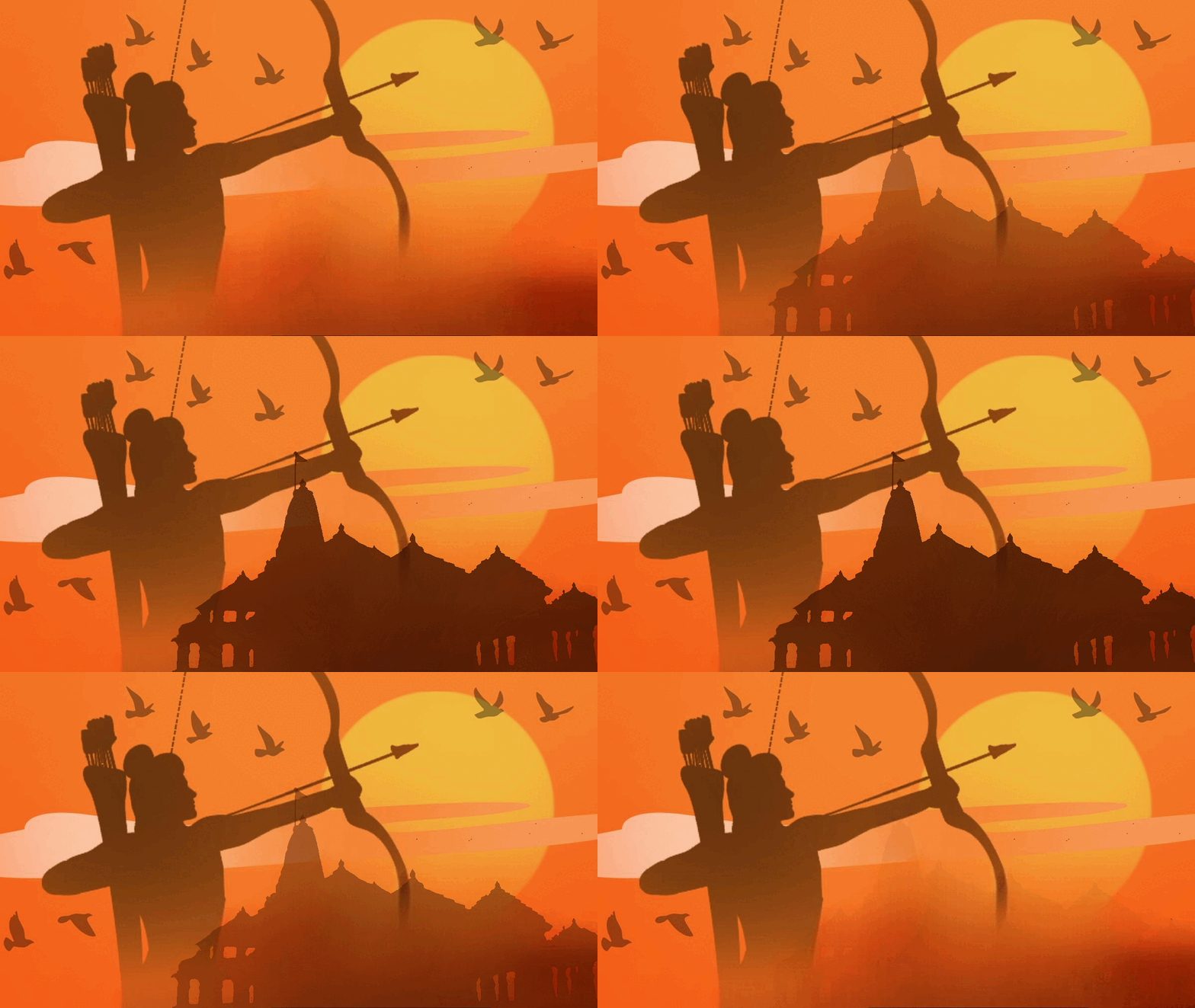


Lord Ram has returned to his birthplace or so his devotees believe. The January 22 mandir consecration ceremony is being celebrated in Ayodhya as Ram's homecoming aka India's 'second Diwali', referencing the story of how the ancient kingdom glittered with lamps when the mythological warrior king returned home from exile.
The 'pran pratishtha' marks the tail end of a chapter of bitter unrest in India’s history, the Ram Janmabhoomi-Babri masjid dispute, which hit a crescendo in December 1992 following the demolition of the Babri masjid. Riots and bloodshed followed.
However, the controversy surrounding the Ram temple goes back decades.

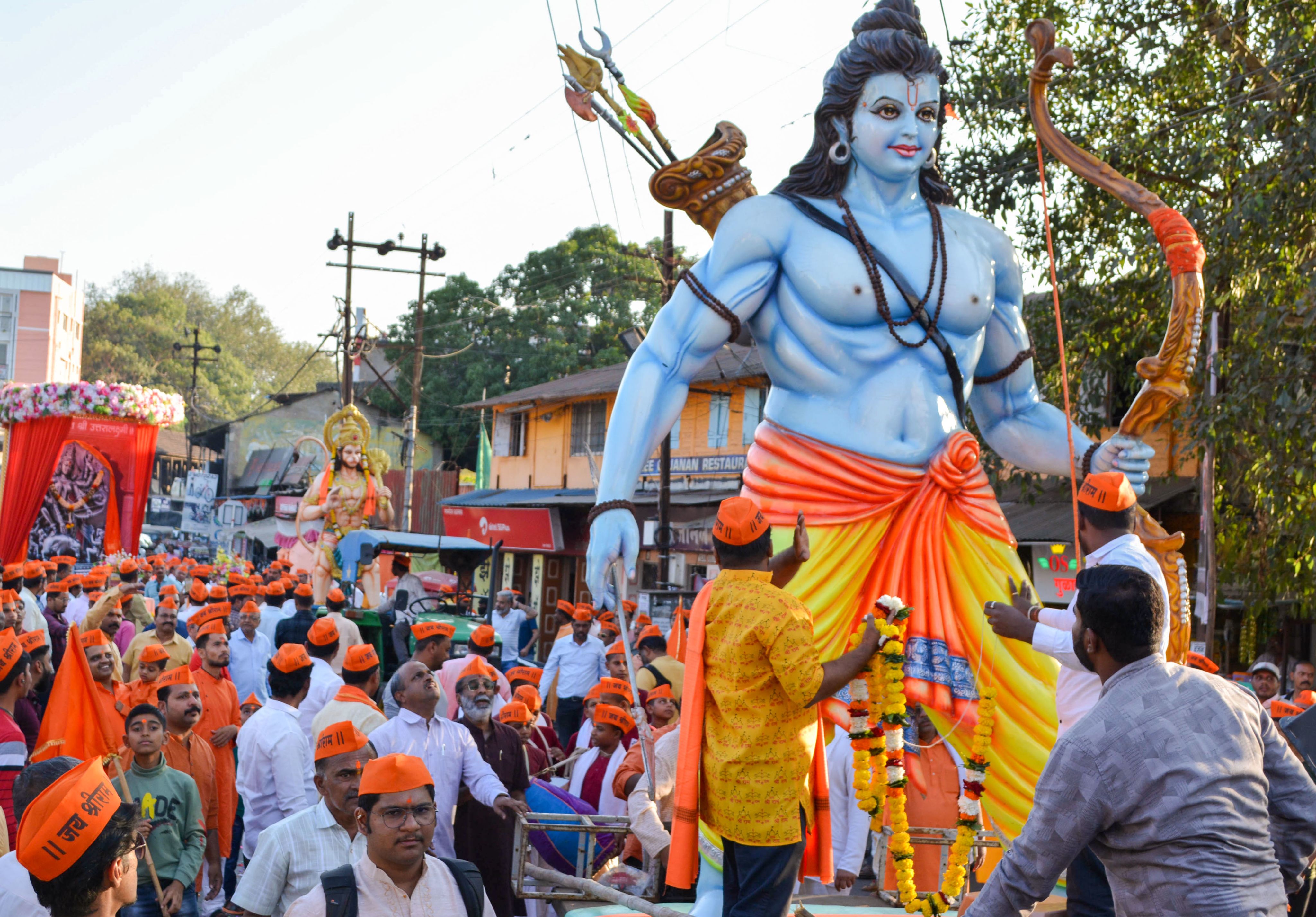
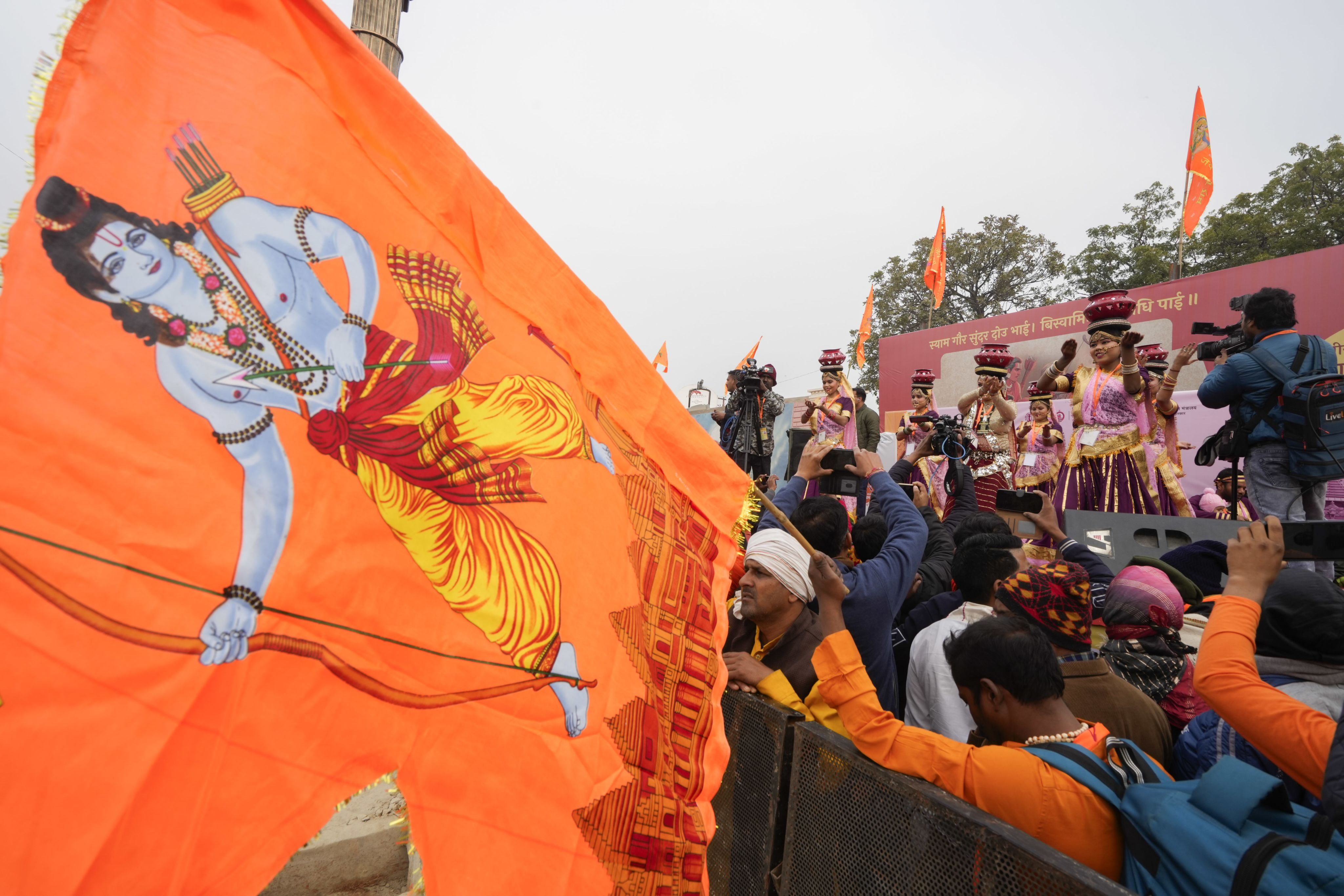
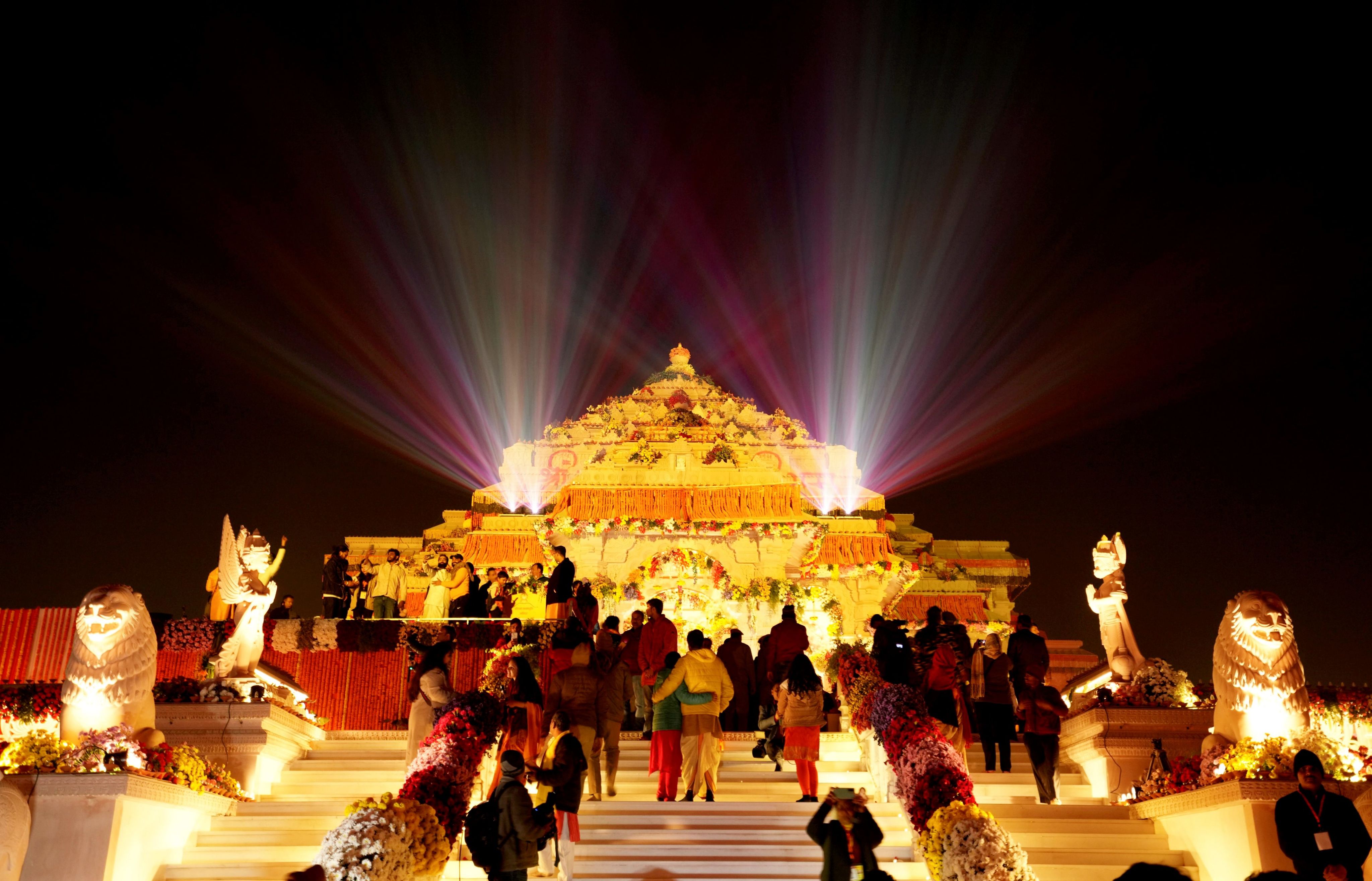
Hindus believe that the disputed site was the birthplace of Lord Ram and thus, was holy to them long before Mughal emperor Babur razed the temple at the spot and built a mosque there around 1528.
But, it was only in 1885 that the court dispute between the Hindus and Muslims began, with both sides claiming ownership of the site.
Mahant Raghubir Das filed a suit seeking to build a temple on the land adjoining the Babri masjid. However, the then-Faizabad DM binned his petition. Das later filed a title suit in the Faizabad court against the Secretary of State for India to build a temple on the ‘chabutara’ (courtyard) of the mosque. His plea was rejected again.
"I asked karsevaks and revered priests who claimed to know the exact location of Ram’s birth if they knew when he was born … They had no answer for when he was born but were sure he was born exactly where the Babri masjid stood," Anand Patwardhan, who made the documentary Ram ke Naam told DH, pointing out the ‘logical fallacy’ of this belief.
He added, "non-RSS archaeologists who inspected the place have said that the deepest digs in Ayodhya reveal Buddhist artefacts indicating that ancient Ayodhya may have been the Buddhist city of Saket."
The feud between the two religious groups continued past India’s Independence.
Fast forward to the night of December 22, 1949, when an idol of Lord Ram ‘magically’ appeared inside the mosque. For the Hindu side, this event was nothing less than a ‘divine revelation’ and believers began to offer prayers at the same site. Later, the Liberhan Commission would find one Abhiram Das - a Nirmohi Akhara sadhu - as the person responsible for placing the idol inside.

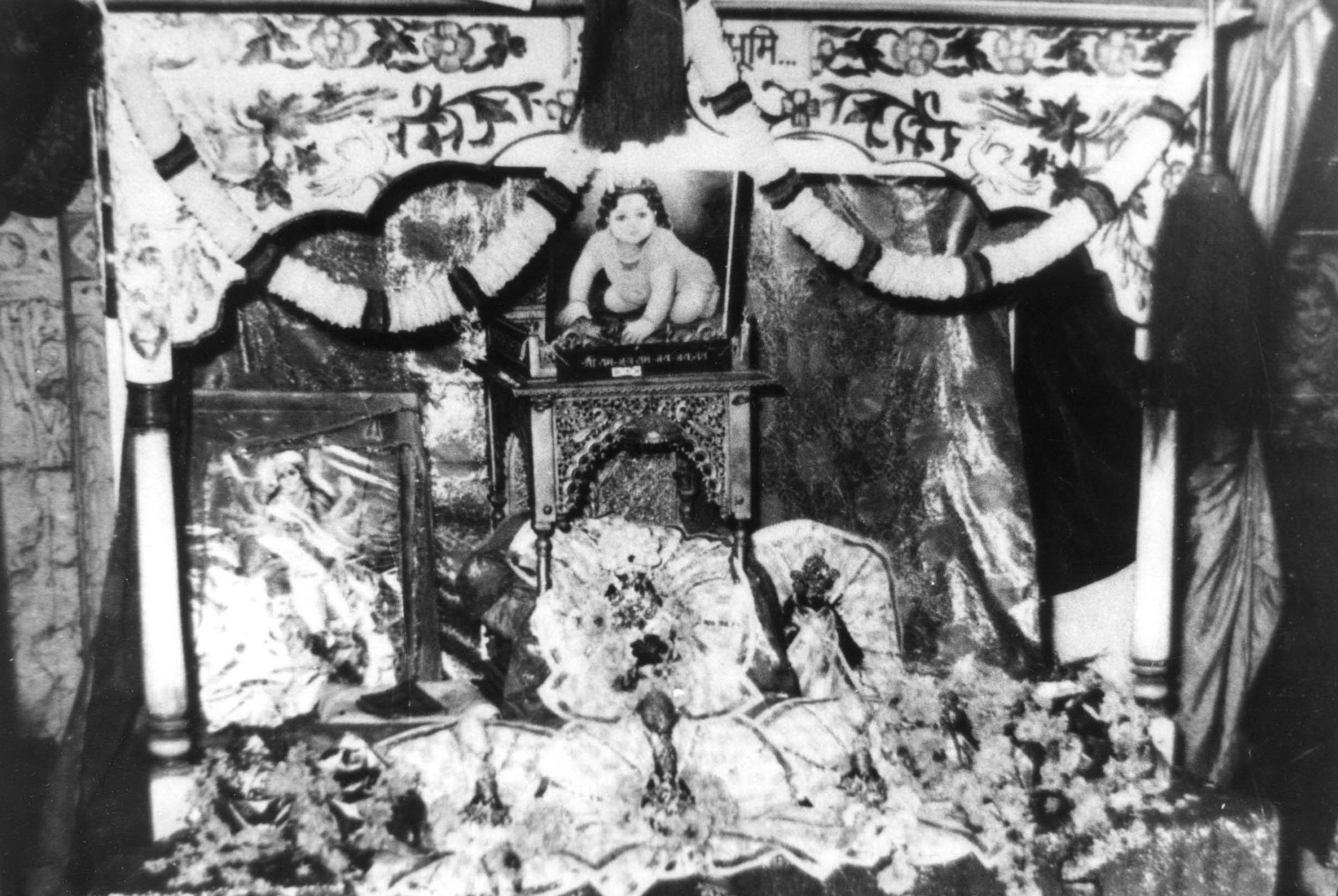
“Clearly, there is no sanctity to any of this,”, Patwardhan asserted.
Tensions simmered and the Indian government declared the site a ‘contested area’ and locked the entrance for commoners.
Over the years, right-wing outfits like Jan Sangh (later rechristened BJP) used the Ram Janmabhoomi issue, stoking communal tensions and gaining public sympathy for their cause.
In 1990, BJP stalwart L K Advani launched his Rath Yatra from Somnath to Ayodhya, to garner mass support to build the Ram temple at the contested site.
Calling it a ‘Lok Rath’, Advani, in a fiery speech at the time vowed ‘Mandir Wahin Banayenge’ (We will build the temple there). A trail of death and destruction followed as Advani headed in an air-conditioned vehicle to Ayodhya.
Advani’s arrest in Bihar did little to slow down what the Sangh Parivar had set in motion.
On December 6, 1992, karsevaks—roused by cries of ‘ek dhakka aur do…’—razed the mosque and left behind a makeshift temple at the spot. The event triggered one of the bloodiest communal riots in India’s history that claimed the lives of thousands, most of them Muslims.

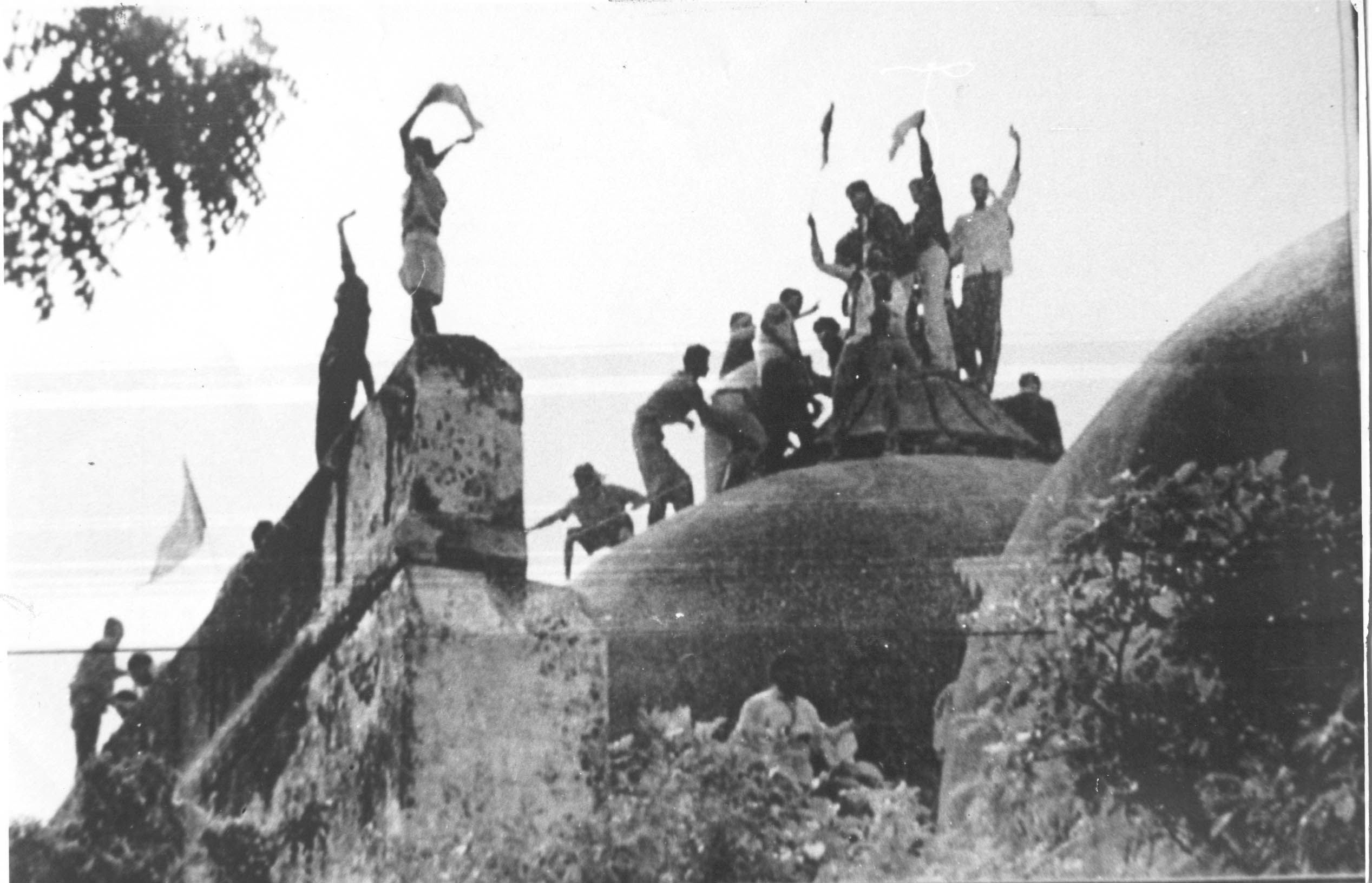
P V Narasimha Rao, who was the PM at the time, did not ‘take any step to stop the ignoble act’, observed Kishore Kunal, who was appointed Officer on Special Duty (Ayodhya) to mediate between the VHP and the Babri Masjid Action Committee (BMAC), by then-PM V P Singh.
The government's inaction, in effect, paved the way for future course of events leading up to the construction of the Ram mandir.
It also changed the political landscape, with the BJP attaining a majority in the next two elections, though the coalition governments it set up were short-lived.
In 1999, BJP won a majority in the Lok Sabha, and Vajpayee went on to become the first non-Congress PM to complete a full term.
This also marked Congress’s worst performance, with only 114 seats going to the grand old party, until the 2014 and 2019 polls.
'MANDIR WAHIN BANAYENGE'
Role of the Sangh Parivar

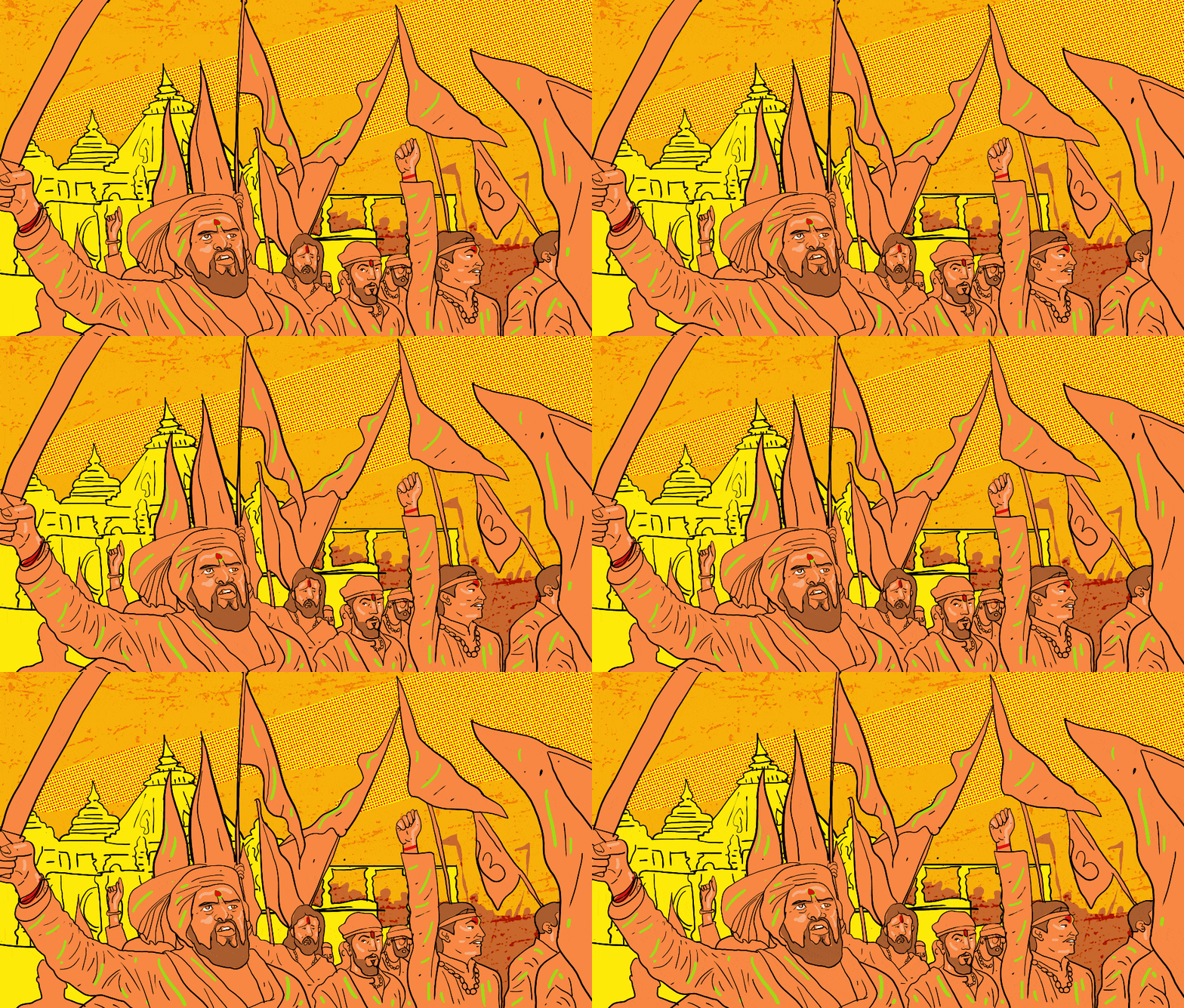

Long before the wheels of Advani’s Rath yatra began turning, the initial steps to revive the Hindu demand for the Ram mandir were taken by two Congress leaders - Dau Dayal Khanna and Gulzari Lal Nanda.
Khanna, in 1983, wrote to Indira Gandhi asking for the restoration of the temple at Ayodhya as well as those in Mathura and Varanasi.
Nanda, who also served as the interim Prime Minister twice - after Indira Gandhi and Lal Bahadur Shastri’s deaths, founded the Shri Ram Janmotsav Samiti in 1983. He was also present when the Ayodhya movement was conceived that same year in Muzaffarnagar.
The BJP white paper from 1993 recounts that Nanda was present along with Khanna and Rajendra Singh of the RSS, who became the fourth Sarsanghchalak (head) of the organisation after Madhukar Dattatraya Deoras relinquished office. As per the saffron party’s accounts of events, Khanna raising the question of liberating the Ram Janmabhoomi at this meeting led to the start of the mass movement that would go on to change the course of the nation’s history.
“The Congress fed into the narrative by commissioning the Ramayana serial on Doordarshan… There were compromises done throughout and every compromise was costly. Now...sense has prevailed and they did not compromise to the extent of going…and legitimise the whole thing.”


Things started to gather pace with the VHP establishing the Ram Janmabhoomi Mukti Yagna Samiti, which spearheaded the Ram mandir agitation, in 1984.

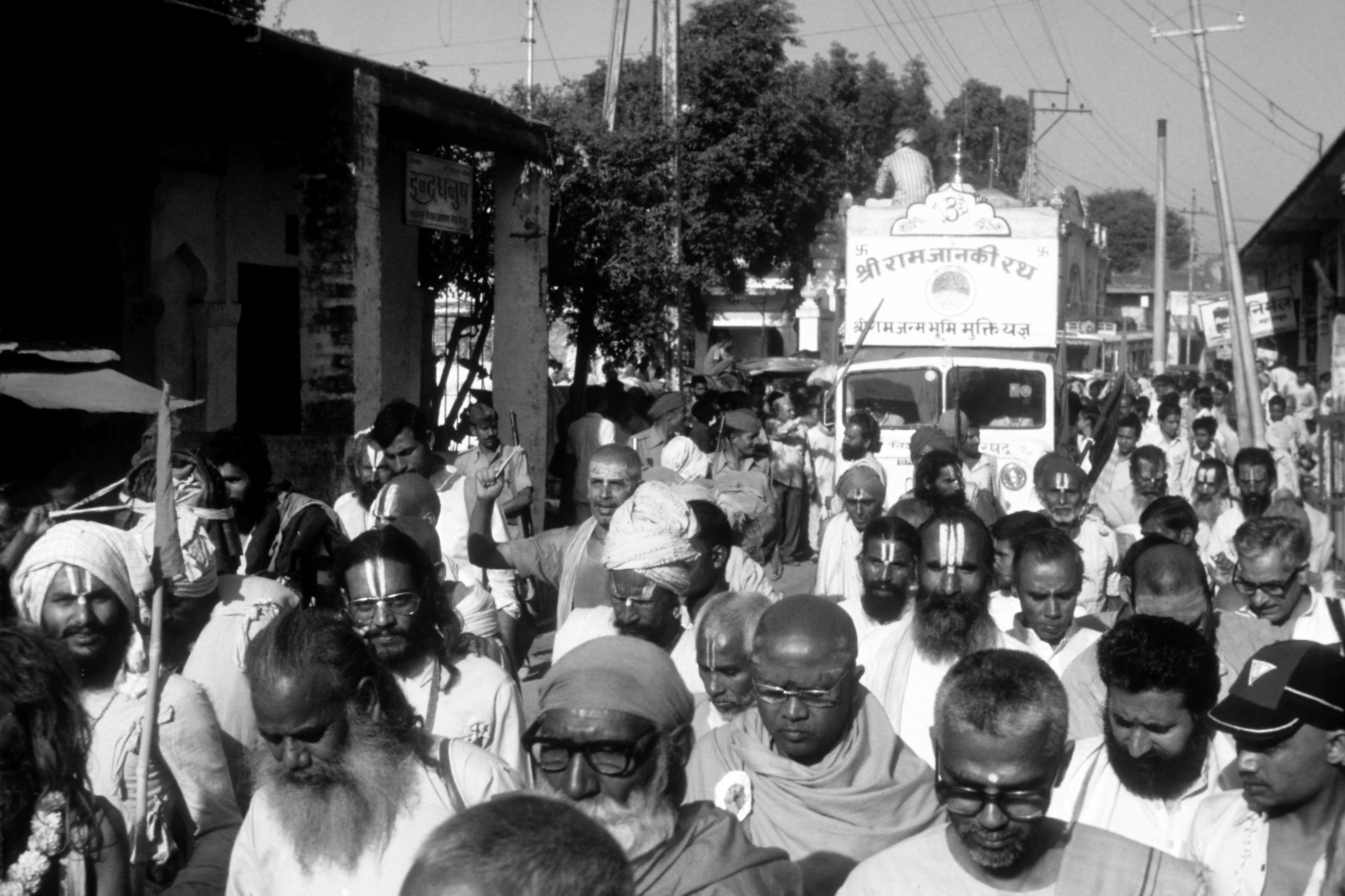
Mahant Avaidyanath, mentor to current Uttar Pradesh CM, Yogi Adityanath, was the founder, and under the overall guidance of then-VHP head Ashok Singhal, they began the ‘tala-kholo’ (open the lock) agitation to open the locks placed at Babri masjid. Dau Dayal Khanna was the general secretary of the ‘samiti’.
The ‘Ram Janaki Rath Yatra’ was also launched and the VHP began to organise international conferences to garner support. The Liberhan Commission would later note that the RSS, VHP, BJP and also other members of the Sangh Parivar raised funds for conducting the movement from time to time. Singhal, the Commission found, was one of the recipients of these funds.
Another thing the VHP did was to set up Bajrang Dal, its ‘militant youth wing’, something Dhirendra Jha observes in Bajrang Dal: Muscle Power and Militant Youth. The group’s core objective was to increase Hindu mobilisation for the Ayodhya movement.
Though, initially, they failed to gain much traction with the local sadhus, the Bajrang Dal’s popularity steadily grew in Uttar Pradesh and the neighbouring areas, with the politics of the BJP, RSS, and VHP gaining momentum towards the end of the 1980s.
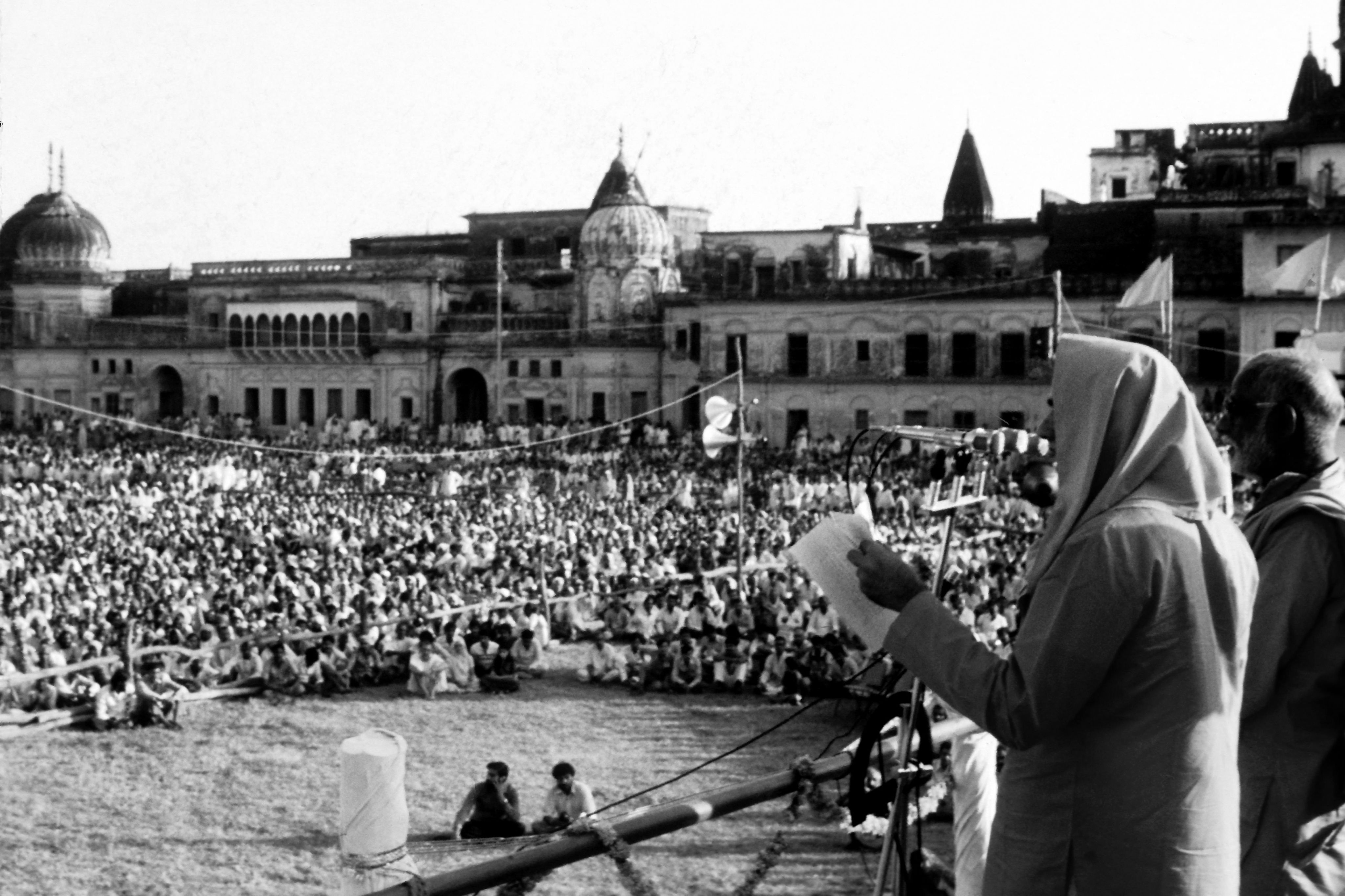
The organisation - whose name is associated with Lord Hanuman, who is believed to have led Lord Ram’s armies into battle - became closely associated with Advani’s Rath yatra.
He was welcomed with a ‘tilak’ (ritual mark) of blood when his yatra entered a city, by Bajrang Dal members. On other occasions, they would offer him cups of their blood to show commitment to the cause, Jacob Copeman of the University of Edinburgh notes in The art of bleeding: memory, martyrdom, and portraits in blood.
The Ram Janmabhoomi movement had another key player - the RSS. In 1959, the Akhil Bharatiya Pratinidhi Sabha of the RSS adopted a resolution on ‘Issue of Temples Turned into Mosques’.
Many intolerant and tyrannical foreign aggressors and rulers in Bharat have, during the last one thousand years, destroyed many Hindu temples and built mosques in their place, with a view to smiting the nationalistic sentiments of our people. An intense desire to resurrect these places of worship was ever-present at the heart of the freedom movement.
As for the actual movement, RSS cadres along with VHP members were promoting Ram Paduka Poojan Abhiyan (worship of Lord Ram’s slippers) as a way to enlist support for the Ayodhya mandir.
Documentary filmmaker Lalit Vachani recorded some RSS cadres who were present during the Babri masjid demolition in his film The Men in the Tree. Sripad, one of the cadres on camera, can be heard saying the Ram Janmabhoomi movement planning was akin to a war strategy where ‘some are sent to the front while others man the base camp’.
The cadre continues that RSS created an ‘awareness’ - the source of such movements. They also explained how a group of five karsevaks would be formed and sent to Ayodhya under a leader.
Another cadre, on camera, says ‘humne khud kaam kiya hain waha pe…todne bhi…’ (I worked there personally…breaking it…clearing the debris) when asked if he was present at the time of the Babri masjid demolition.
Yet another cadre labels it a ‘lifetime achievement’ recalling he was on top of the dome. Justice Liberhan would later note the presence of current RSS Chief Mohan Bhagwat as well when the masjid came down.
Indian nationalism feeds off a ‘new invention of Hindu civilization during the colonial era’ explains Thomas Blom Hansen, anthropologist and author of Majoritarian State: How Hindu Nationalism is Changing India.
...and there’s an attempt of trying to create a narrative where one doesn't adjudicate very hard whether something is factually true or not. So in some ways that's the very heart of what Indian nationalism is made of.
Interestingly, Shiv Sena supremo Balasaheb Thackeray is also credited with galvanising his party workers to head to Ayodhya at that time, though the recent political tiffs and the split in the Sena has seen BJP’s Devendra Fadnavis claim no Shiv Sainik was present when Babri came down.
Thackeray, after the mosque demolition, is known to have said “Babri padli, ti padnarya Shiv Sainikancha mala abhiman ahe” (I am proud of the Shiv Sainiks who razed Babri).
Advani’s yatra, which began on September 25, 1990, came to a grinding halt in Bihar. On October 23, Advani, entering Patna addressed a huge gathering amid slogans of ‘Kasam Ram ki khatein hain, Mandir wahin banayenge.’ As he continued to Samastipur, Lalu decided that an unchecked Advani might disturb the communal harmony of the country, and ordered his arrest.
The BJP stalwart was arrested in the wee hours of October 24, 1990.

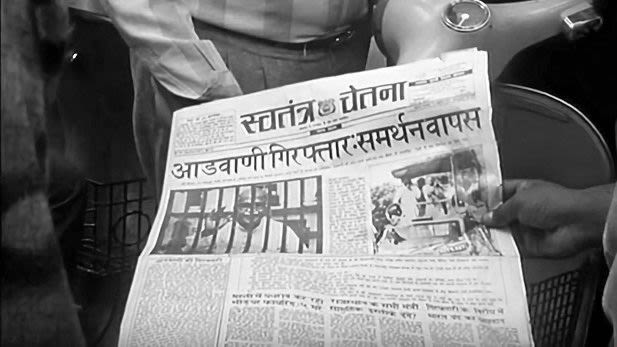
P C Choudhary, who was then the Executive Engineer of Dumka and the Irrigation Department IB was under his jurisdiction, recounted, “Along with Pramod Mahajan, Advani was flown to the picturesque location of Masanjore IB (Inspection Bungalow), 35 km from Dumka (then in undivided Bihar, now in Jharkhand), in a helicopter.”
Following Advani's arrest, Atal Bihari Vajpayee withdrew support to the V P Singh government, leading to its collapse.
The arrest also galvanised the movement in some ways, with October 30 becoming the ‘D-Day of Karseva’. Mulayam Singh Yadav, then-CM of Uttar Pradesh, had famously said ‘Ek parinda bhi par nahin mar sakta Ayodhya maen' (I will not allow a bird to flap its wings in Ayodhya), responding to the VHP’s call for karsevaks to gather there and begin work on the Ram mandir construction.
However, the karsevaks defied the lockdown and walked to Ayodhya, despite police barring all bus and train services to the city. Some reportedly even swam across the Sarayu river. The situation intensified with Ram and Sharad Kothari climbing atop the Babri masjid dome and planting a saffron flag.
Acting on Mulayam Singh’s orders, the police opened fire. While official estimates put the death toll of karsevaks at 17, the Sangh Parivar claims the number was much higher.

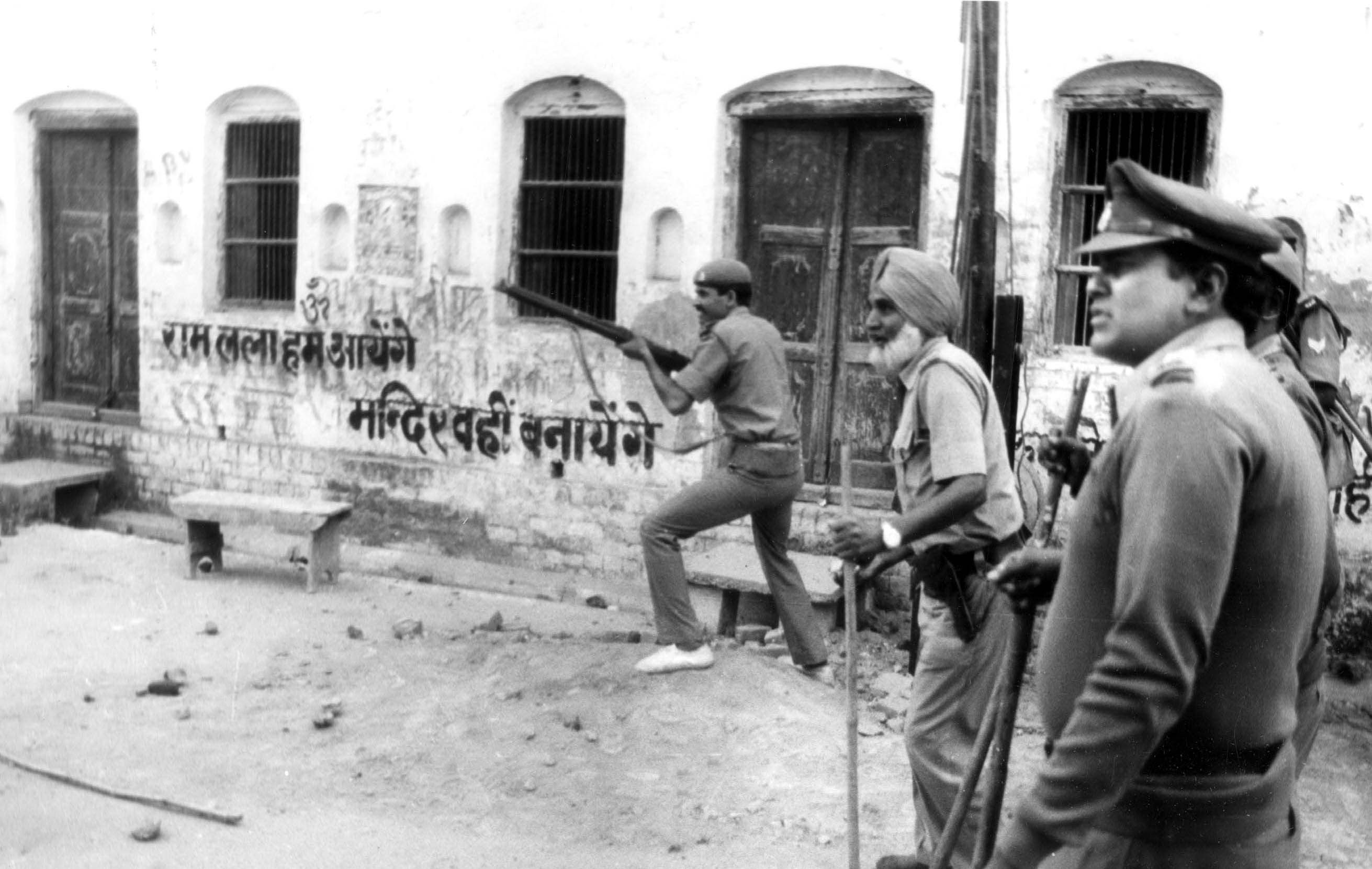
Though the firing dispelled the crowd at the moment, the karsevaks reconvened on November 2. The police opened fire again, and as the agitators were chased through alleys, many died in a particular lane - now rechristened Shaheed Gali or Martyr’s Alley. The Kothari brothers were also among those killed in action at the time.
While Mulayam, then, labelled it a “painful yet necessary” order, it did little to deter the saffron wave which on December 6, 1992, took with it the Babri masjid.
Prime Minister Narendra Modi’s ‘mentor’ was arrested on December 8, 1993—five days after Babri was razed—on charges of causing Hindu-Muslim riots to flare up across India. He was released on January 10 after a court order.
The Ram Janmabhoomi movement marks the time when the BJP openly embraced Hindutva.
Nationalist icon Vinayak Damodar Savarkar coined the term Hindutva as his alternative to the word Hinduism, which he believed the British were using wrongly to describe the Indian faith system.
For Savarkar, Hindutva was the parent, and Hinduism among one of the many offshoots.
Though the Ram Janmabhoomi movement saw a mainstreaming of Hindutva and marked its entrance into the political sphere, Hindu reformist groups began gaining currency in the 19th century.
Brahmo Samaj and the Arya Samaj were among the major Hindu groups with reformist outlooks, and while the Bharatiya Jana Sangh (BJS) was still a minor electoral player in the 1960s, Hindutva continued to flourish with Akhil Bharatiya Vidyarthi Parishad (ABVP) and the VHP being established as new members of the Sangh Parivar.
The BJS - under Vajpayee - became the BJP in 1980, but failed to make a mark, winning only two seats in 1984. Initially, the party kept away from a militant stance so much so that the word ‘Hindu’ was not even part of the BJP’s constitution.
However, things began to change in 1986 when Advani replaced Vajpayee as the party president.

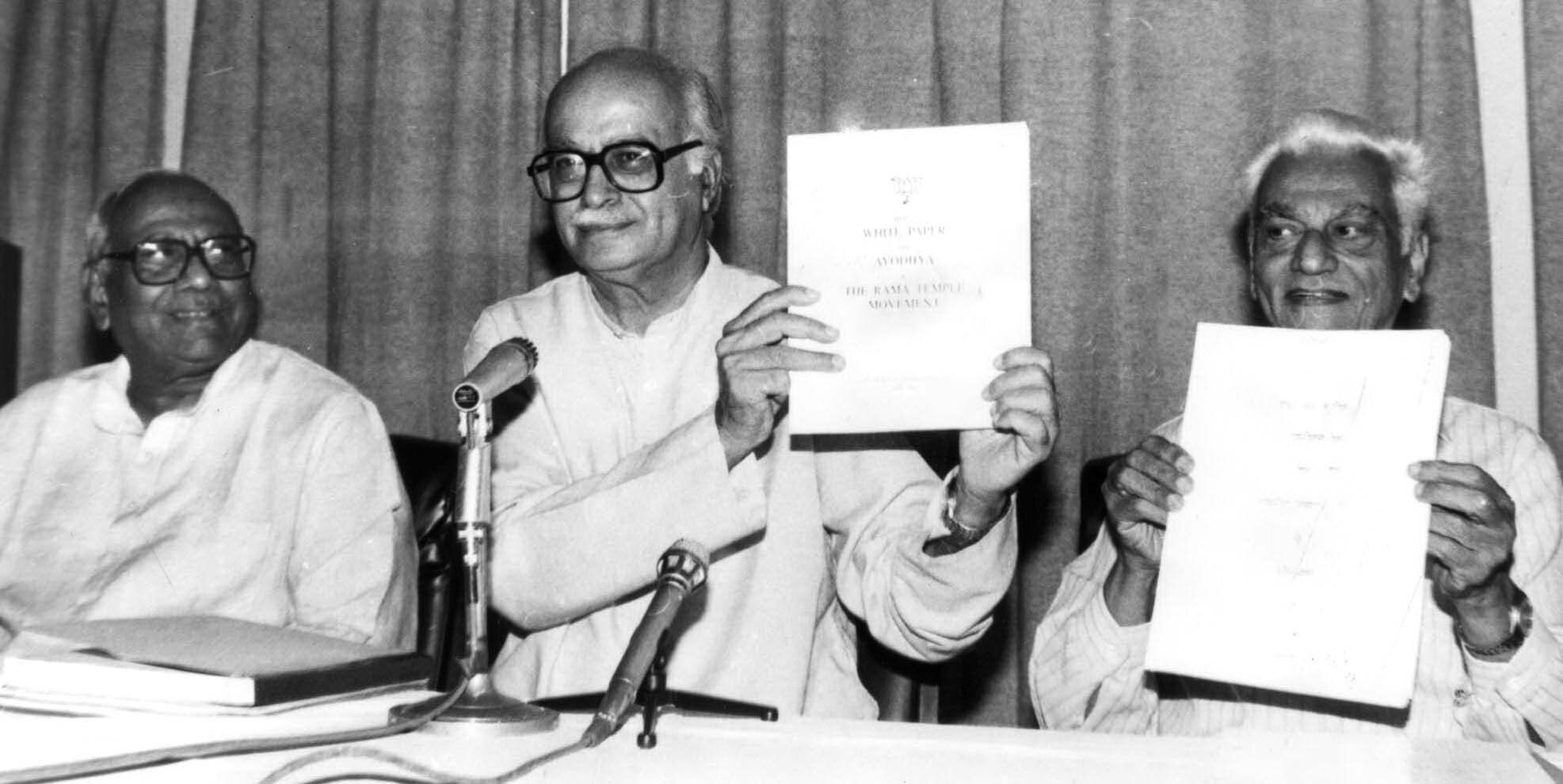
Murli Manohar Joshi, an RSS man, was named the party’s national general secretary and under Advani’s leadership, the BJP formally supported VHP’s Ram mandir demand at the 1989 Palampur session.
It garnered momentum after then-PM V P Singh announced he would implement the Mandal Commission’s recommendations of providing reservations to Other Backward Classes (OBCs).
Weeks after this announcement, the RSS called for a meeting, to garner further support for the VHP movement to build the Ram mandir. Advani, present at the meet, sensed the potential of the movement and announced his yatra soon after.
The commission report had caused a split among the Hindus and the BJP saw this as a chance to try and unite all Hindus through the Ram Janmabhoomi movement, where Muslims became ‘the Other’. Of course, the saffron party’s aim was electoral gains, which it reaped in the subsequent polls.
The Hindutva wave, steadily growing, was most visible in the 2014 election. Modi’s popularity among the RSS cadre resulted in a kind of mobilisation last seen in 1977 — when the Janata coalition routed the Indira Gandhi-led Congress after the Emergency.
[Today] the BJP is interested in a full-blooded Hindu majority country where everybody else will be second-class citizens. Whether it is through CAA or Ram mandir - it’s all the same process. A Hindu Pakistan is what they want - a religious state.

Hindutva ideologues have tapped into long-standing enmities and prejudices, too.
Hansen has proposed that the scars from the Partition have lingered and thrived in ‘more private and semi-public fora’ — which is exactly what the Sangh Parivar tapped into.
“The line between [India’s] myth and history is so blurred”, the anthropologist noted, explaining that it is this blurring at the very foundation - in some ways - of Indian Hindu-leaning identity and nationalism that makes it very easy for the Hindutva brigade to manipulate things ‘as they like’.
"Now, they have gotten to a point where they have moved the needle so far that they can begin to in a sense attack people for not buying into their version of their version of the narrative," Hansen observed.
Is India becoming a Hindu rashtra?
While there is no codified push for it, Hansen said, there have been minor tweaks here and there, but nothing spectacular, as yet. He noted that there are, of course, those who want India to become a land for all Hindus, akin to what Jerusalem is for Jews.
This is why Ayodhya also holds a special place in this Hindutva push because it serves as a centre point since Hindus believe Lord Ram was born there.
Hinduism needs to be an organized religion. It needs to have a centre. And it's all about looking at Islam and looking at Christianity and looking at these more organized institutionalized religions and saying they have a form of political and social strength that we don't, so in order to achieve that, we have to, you know, downplay, cast divisions and get unified around these symbolic centres.
The scholar compared this 'centralisation' of Hindu power to how the Vatican and Mecca function.

Angry Hanuman and Hindutva
With Hindutva very much a part of the Indian political discourse, at present, one of the most prominent symbols that has emerged is that of the ‘angry Hanuman’.
It was designed by Karan Acharya, an artist from Kasargod, Kerala, who’s now settled in Mangaluru.
A half-face in saffron with shadows in black, this Hanuman has eyebrows furrowed, exuding fury with determination etched on his face. A tilak adorns Lord Hanuman’s head, and there is a ‘kundal’ hanging by his right ear. This was a Hanuman never seen before.
The ‘angry Hanuman’ - created for Ganesh Chaturthi in 2015, for a youth group in Kasargod’s Kumbla village - has now become a rage. It can be seen on the back of cars, in front of bikes, on posters, and in shops. It is everywhere, including politics, and has polarised opinions.
Understandably, the previously unseen iteration was a departure from usual depictions of the deity as a calm and intellectual being, and even Prime Minister Narendra Modi took note of the art, stating that the Congress ecosystem was the only group that had problems with it.
Acharya himself did not see fury in his art but ‘attitude'.


Interestingly, an iconic image of the Babri masjid shows a monkey sitting atop the dome.

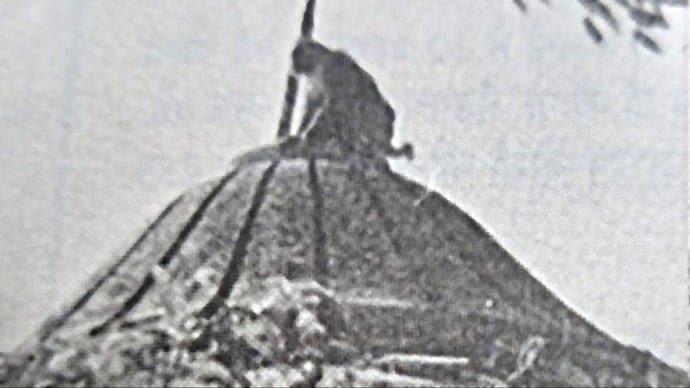
Before the mosque was razed, amid the clashes between the karsevaks and the UP police, the monkey was reportedly seen as an avatar of Lord Hanuman, who had appeared to protect the flag planted by the kar sevaks.
RAM LALLA's KARNATAKA CONNECT
Then & now


Karnataka’s tryst with Lord Ram began much before Advani’s yatra, and the state - like other parts of India - was rocked by the communal violence that followed the BJP leader’s journey.
Thirty died in four days in Bengaluru, Channapatna, and Kolar, while two deaths were reported in Ramanagram, and one in Davangere at the time.
A total of 22 riots took place between September 1 and November 20, and 88 lives were lost.
The BJP, at the beginning of this year, alleged that the Congress is reopening old cases related to the Babri Masjid demolition after two activists from the saffron party who participated in the agitation 31 years ago were arrested from Hubballi.
Amid the political furore over the arrest, CM Siddaramaiah said a criminal is always a criminal unless acquitted by a court of law.
Five years before Advani’s venture, VHP had convened a Dharma Sansad at Udupi on October 31 and November 1. At the meet, it was decided that full support would be extended to the cause of building a temple at the Sri Ram Janmabhoomi.
One of the resolutions passed noted, “[a] Shriram Janmabhumi, Shrikrishna Janmasthan and Kashi Vishwanath temple: these three places be immediately handed over to Hindu society. [b] A country-wide campaign should be undertaken if the Uttar Pradesh Government does not acquire Shriram Janmabhumi and hand it over to Shri. Ramanandacharya.”
Vishwesha Theertha Swami of Udupi’s Pejawar Mutt was also at the forefront of the Ram Janmabhoomi movement. The late religious figure is Vishwaprasanna Theertha Swami’s ‘guru’.
Vishwaprasanna is one of the members of the Shri Ram Janmabhoomi Teerth Kshetra Trust, and the only trustee from South India.
Karnataka’s connection, however, transcends to the mythological, since it is believed that Anjanadri hill in Koppal district is the birthplace of Lord Hanuman.
There is a bone of contention with Andhra Pradesh, though, with the Tirumala Tirupati Devasthanams declaring Anjanadri of the Tirumala hills as the birthplace of Lord Hanuman, a conclusion reportedly based on literary, mythological, epigraphical, and scientific, geographical evidence.
The Ram Lalla idol selected for the new temple also comes from famed Mysuru sculptor Arun Yogiraj.

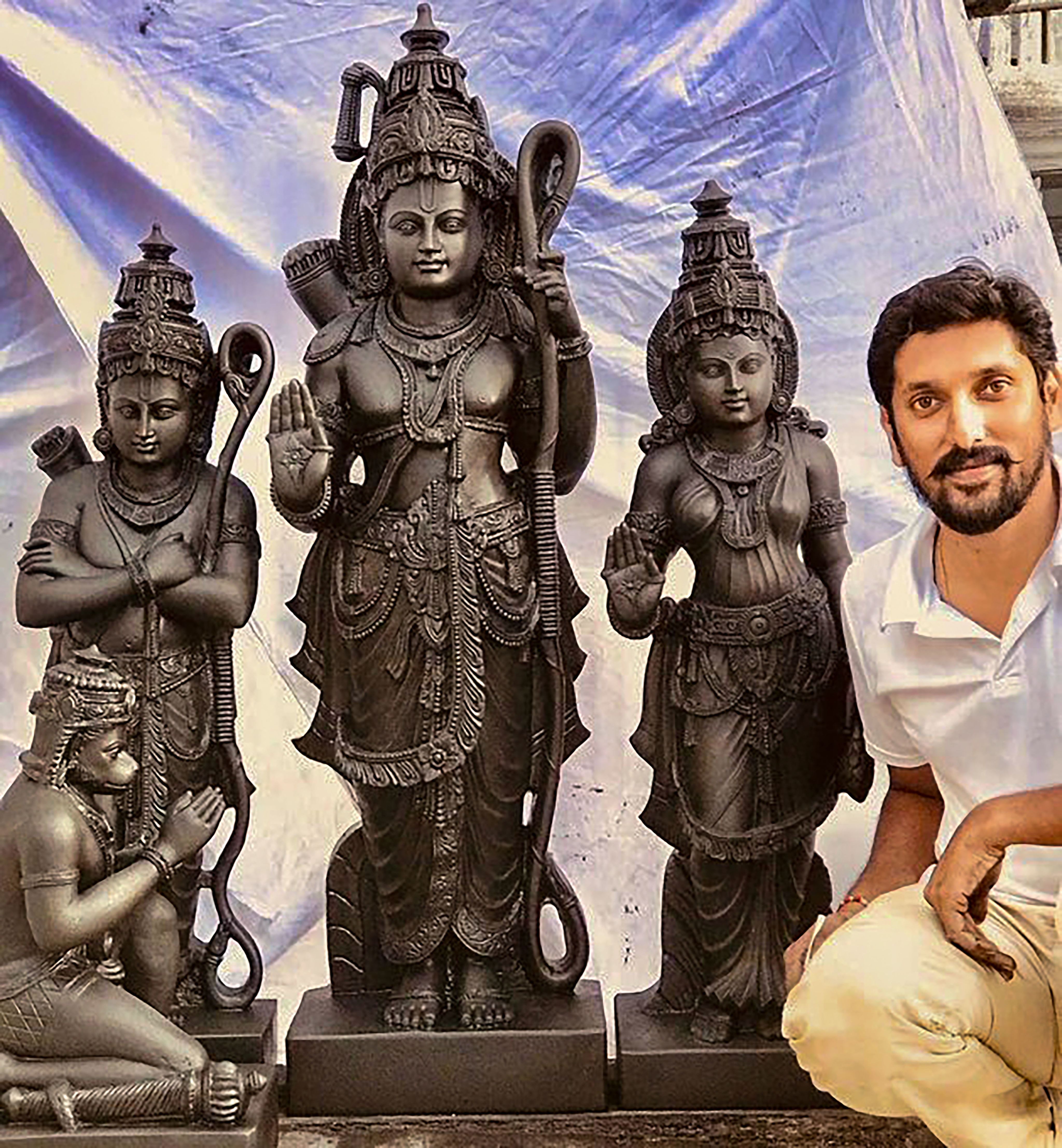
BJP stalwart B S Yediyurappa shared the news on January 1, as he hailed Yogiraj for doubling the pride and happiness of Ram devotees in Karnataka.

'MODI HAI TOH MUMKIN HAI...'
From Ram Janmabhoomi movement organiser to chief 'yajman' at mandir consecration


Prime Minister Narendra Modi was the chief ‘yajman’ or the host of the Ram temple consecration, and it was on his behalf that the prayers were offered.
Modi is very much at the forefront of this event now, but the PM has a long and mired history with the Ram Janmabhoomi movement. Modi, before being deputed to the BJP, was an RSS cadre - an organisation already deeply involved in the Ram Janmabhoomi movement.
'Modi ji ki guarantee...'
After he was made the organisational secretary of Gujarat, Modi had to make arrangements for Advani’s Gujarat leg of the Ram Rath Yatra.
“Modi with his careful and deliberate thoroughness organised the Gujarat leg of the yatra through 600 villages, and followed it as far as Mumbai.”
Apart from that, he was extremely active during the Ram Janmabhoomi movement, trying to get support from various villages in the state. Back in 1989, Modi had helped the VHP organise the Ramshila pujan where the group collected bricks for the proposed Ram mandir.
One of Modi’s speeches ‘Lok Adalat Main Ayodhya’ (Ayodhya in people’s court) was reportedly very well received and thousands of copies of cassettes were sold.
Modi was also instrumental in a 1991 signature campaign that the VHP launched for the Ram temple. He has also been photographed at a 1991 VHP event at the Delhi Boat Club that was aimed at amassing support for the Ram mandir movement.

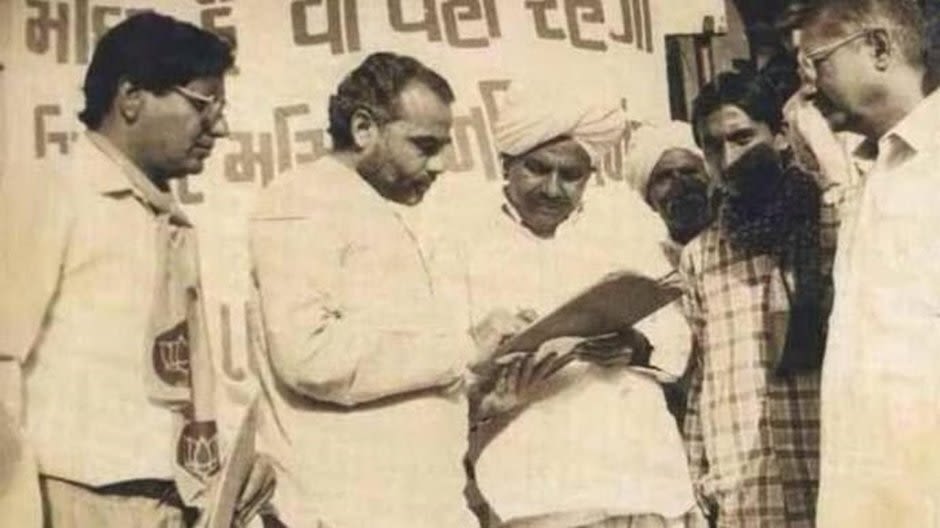
In January 1992, Modi had also made a vow that he would not return to Ayodhya until the temple was built.
In December the mosque was brought down in the presence of senior BJP leaders like Advani, Joshi, and Uma Bharti.
Then, in 2002, when the VHP reinfused life into the demand for the Ram mandir again, karsevaks started flocking to Ayodhya again. On February 27, 59 pilgrims and karsevaks were killed in the Godhra train incident, and the riots in its wake turned the streets red. Narendra Modi was, of course, the chief minister of the state at the time.
After Modi came to power, in 2014, he gradually began to shift to a legal solution for the Ram temple issue - a marked departure from the BJP’s official stance in 1993 that eschewed the possibility of legal resolution.
The VHP, too, in 2014 announced the drive to collect stones for the Ram temple. In 2015, the organisation held ‘Ramotsav’ from March to April, to raise its voice for the mandir.
In 2018, RSS chief Mohan Bhagwat urged the Modi government to bring a law for the construction of the Ram mandir, during his Vijayadashami speech.
And, in 2019, the Supreme Court decided that the disputed land would be handed over to a trust set up by the government to construct the Ram mandir. This judgement came in November, six months after Modi resumed office for his second term as India’s PM.

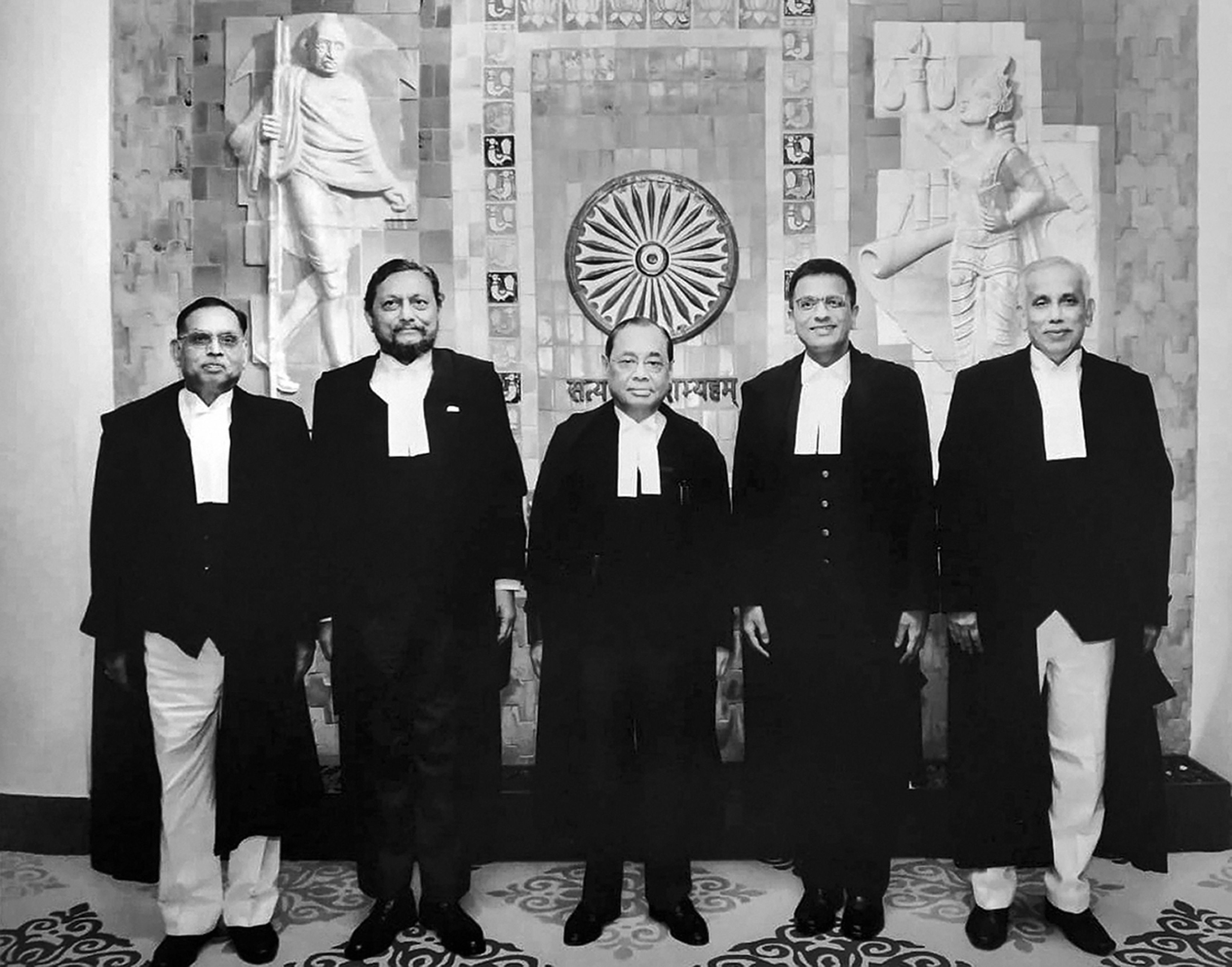
After the SC decision, Modi came to the forefront again - announcing in the Parliament - in February 2020, the formation of the Shri Ram Janmabhoomi Teerth Kshetra Trust which is managing the construction of the temple now.
In August, later that year, Modi laid the foundation stone and the bhoomi pujan was performed. This marked the official start of the construction of the Ram mandir and since then, work has carried on in full swing.
Two years down the line, the trust reported that 50 per cent construction work for the mandir was complete. In 2023, the trust shared that 70 per cent of the work has been completed and that the temple would open in January 2024.
The consecration took place on January 22.
A temple official shared that the first and second floors will be completed by December this year.
The entire temple is expected to be completed by 2025.
Ahead of the consecration, Advani wrote in the Rashtra Dharma magazine, “Destiny had decided that a grand temple of Lord Ram will be built in Ayodhya, and it chose Prime Minister Narendra Modi for this.”
Given Modi’s long association with the movement, it was perhaps written in the stars.
MANDIR MATHS


DID YOU KNOW?
The Ram mandir also received several unique items ahead of the consecration ceremony, including - a 108-ft-long incense stick, a Ram mandir-themed necklace made out of 5,000 American diamonds, a laddu weighing 1,265 kg, a 56-inch nagaru (temple drum) made of gold foil, and a 400 kg lock-and-key, among other things.
The under-construction Ram mandir shares several architectural similarities with the Somnath Temple and the Akshardham Temple, including elaborate detailing on the outer and inner walls.
All three temples are designed in the Maru-Gurjara style, a part of the Nagara style. The Maru-Gurjara style came up in Gujarat in 10-12 Century CE. Hindus and Jains both used it while building their places of worship.
One major difference that can be seen between the Akshardham temple and the Somnath and Ram mandirs is that the Delhi-based temple’s sikhars are dome-shaped, not like the classical linear cones the other two places of worship have.
The similarities are no coincidence since all these temples have been built by the same family of architects - the Sompuras. The family, from Gujarat's Sompura Salat community, has been associated with temple architecture for generations.
Prabhashankar Oghadbhai got the contract for the redesign of the Somnath temple. His grandson, Chandrakant Sompura, designed the Akshardham temple, and is now associated with the Ram mandir.
The Sompuras have a long list of temples to their credit, including the Swaminarayan Mandir in Mumbai and the famed Birla Mandir in Kolkata.
AYODHYA: TEMPLE RUN BEGINS
Beneath the glitz, murmurings of discontent



With the inauguration of the Ram temple in Ayodhya, the temple town is undergoing a colossal transformation with wide-ranging implications. The Central government's commitment of Rs 85,000 crore to develop the town into a global tourism destination, along the lines of Vatican City and Mecca, over the next decade, is visibly altering its landscape.
Ayodhya’s sudden development spurt is, however, vastly different from the organic evolution of other significant temple towns like Varanasi and Tirupati. Over centuries, a system of trade and culture naturally developed around the temples in these towns, i.e., Kashi Vishwanath and Tirumala.
This transition in Ayodhya, perhaps unsurprisingly, has startled its residents, who are accustomed to the plodding pace of the tier-II town in Uttar Pradesh.
While the city gears up to accommodate an expected three lakh daily visitors post the temple’s opening, the rapid transition is not without its complexities.
Economic disparities & local impact
The continuing developments in the region emphasise the economic inequities. Ayodhya, located in the south-central part of Uttar Pradesh, is surrounded by some of India's least-developed districts like Gonda, Ambedkar Nagar, Shravasti, Bahraich, and Barabanki. Members of the working and lower middle classes make up the majority of the temple’s visitors.
While the construction of the temple has boosted tourism, it has also caused a large-scale displacement.

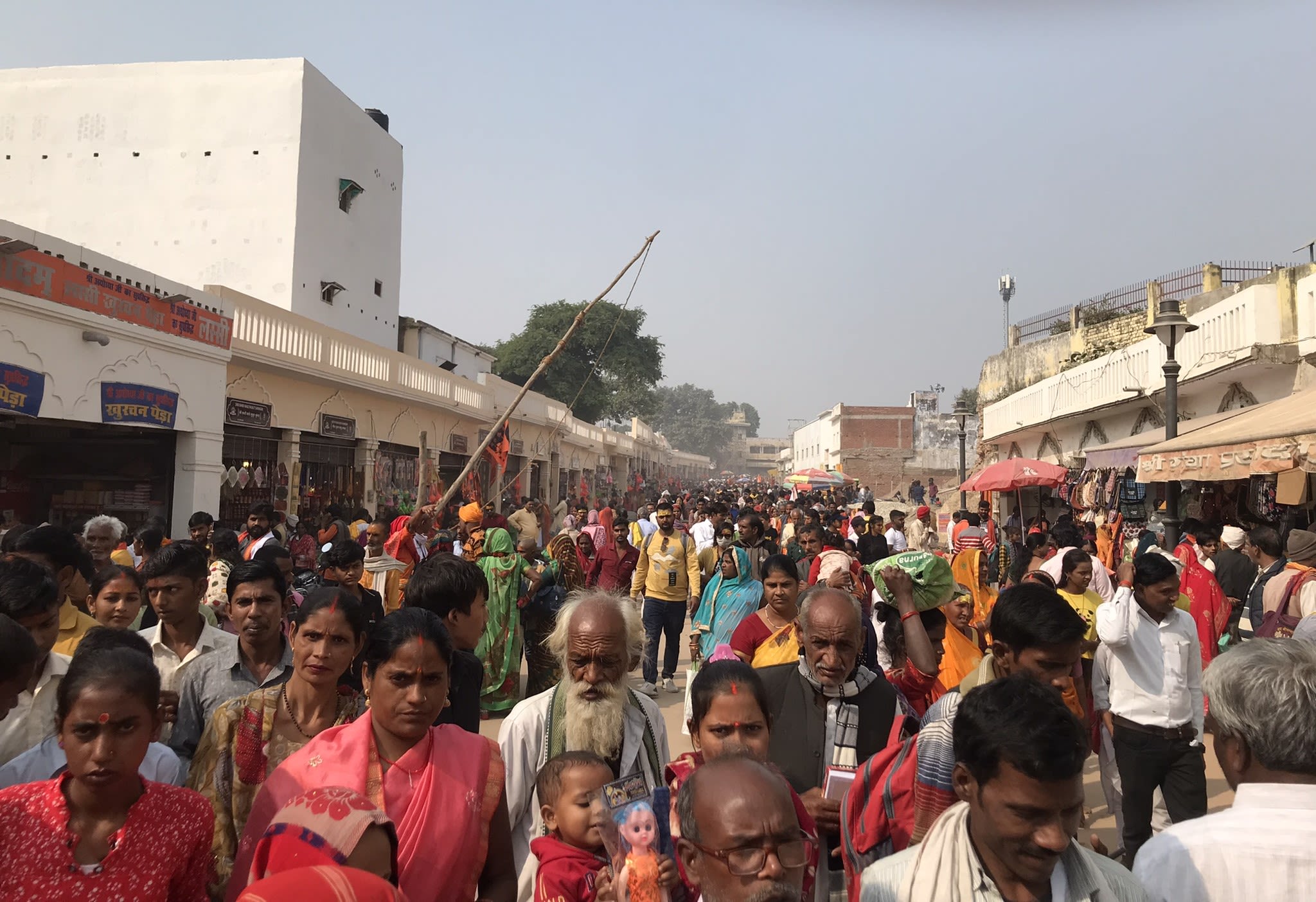
R K Paan Shop, a 75-year-old business located just 15 minutes from the Ram temple, was compelled to relocate to a roadside setup. Street vendors like Pankaj Sharma complained of harassment since the government built a swanky “Ram Path” to attract tourists. The nearly 14-km road connects Ayodhya Cantt and Ayodhya.
Pankaj has been selling panipuri on a cart near the Hanuman Garhi temple for almost a decade. The police, he told DH, once threw hot water on the food he prepared for the day when he insisted on setting up shop at his regular spot. Another time, they forcibly mixed red chillies in his preparation, he added.
An inspector at the Ayodhya Kotwali police station, however, denied these claims and said the pushcarts did not have valid permits. Pankaj reasoned that the pushcarts would “look cheap” on the swanky new Ram Path, which is why they are being moved out.
In the Shringaar Haat locality nearby, Tarun has converted his garment shop into an eatery, as his original shop was partially acquired. He had no business for six months when the road widening began and the compensation he received from the government was “too little”. He claimed the compensation would have been better had they been the “owners”.
The majority of the land in Ayodhya was leased out to businesses and residents by temples and the erstwhile king and at least two decades were left for the lease to end, sources told DH.
“But after the temple construction picked up pace last year, everything was uprooted quickly,” observed Tarun.

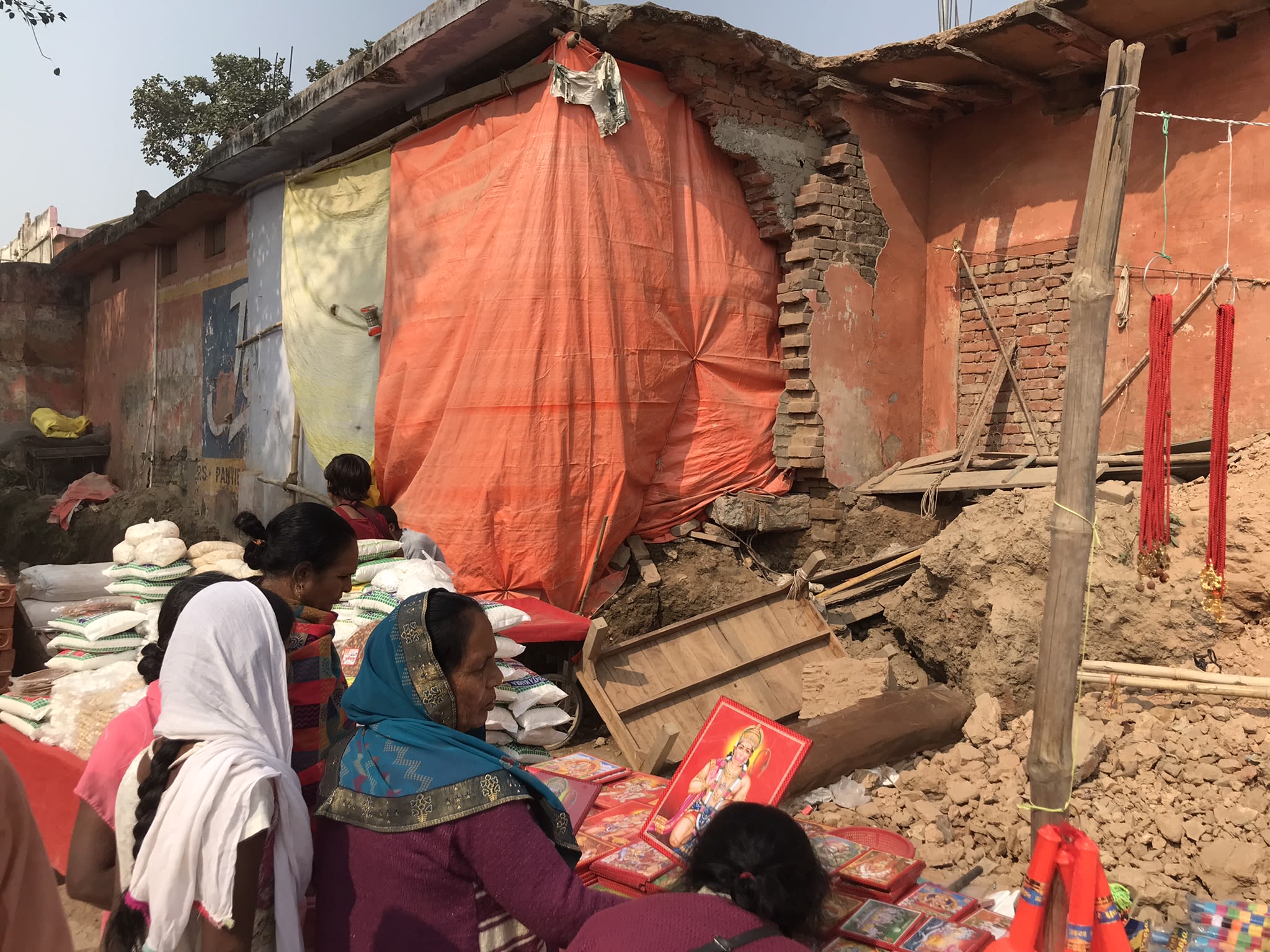
Ravindra Narain Srivastava is another resident unhappy with the compensation. He received about Rs 1 lakh for letting go of a fourth of his 1,000 sq ft eatery, which he opened in the mid-80s.
“The process (of acquisition) was legal of course. But have you seen how land prices have shot up around the temple? Some spots cost over Rs 10,000-18,000 per sq ft. You can calculate how much I lost and how much I was compensated. My shop is 10 minutes away from the temple,” Narain rued.
Now, the shopkeepers have to move to a government-allotted shopping complex on the outskirts of the town. The new spaces, available on a 25-year lease, come with a hefty deposit. The deposit for a ground floor location costs between Rs 20 lakh and Rs 25 lakh, they said. However, there is no guarantee of allocation, as it is based on a lottery system.
The renewed attention on Ayodhya has disrupted the local economy in more ways than one.
Tarun, in his late 20s, said, “After 1992, no prime minister visited Ayodhya. But after Modiji visited in 2020, the city frequently sees politicians... These visits often disrupt business because public entry on the road is restricted. Sometimes, an entire day’s business is hampered.”
The losses have been higher for people who ran hole-in-the-wall shops attached to their homes, said Manpreet Singh, a hotelier.

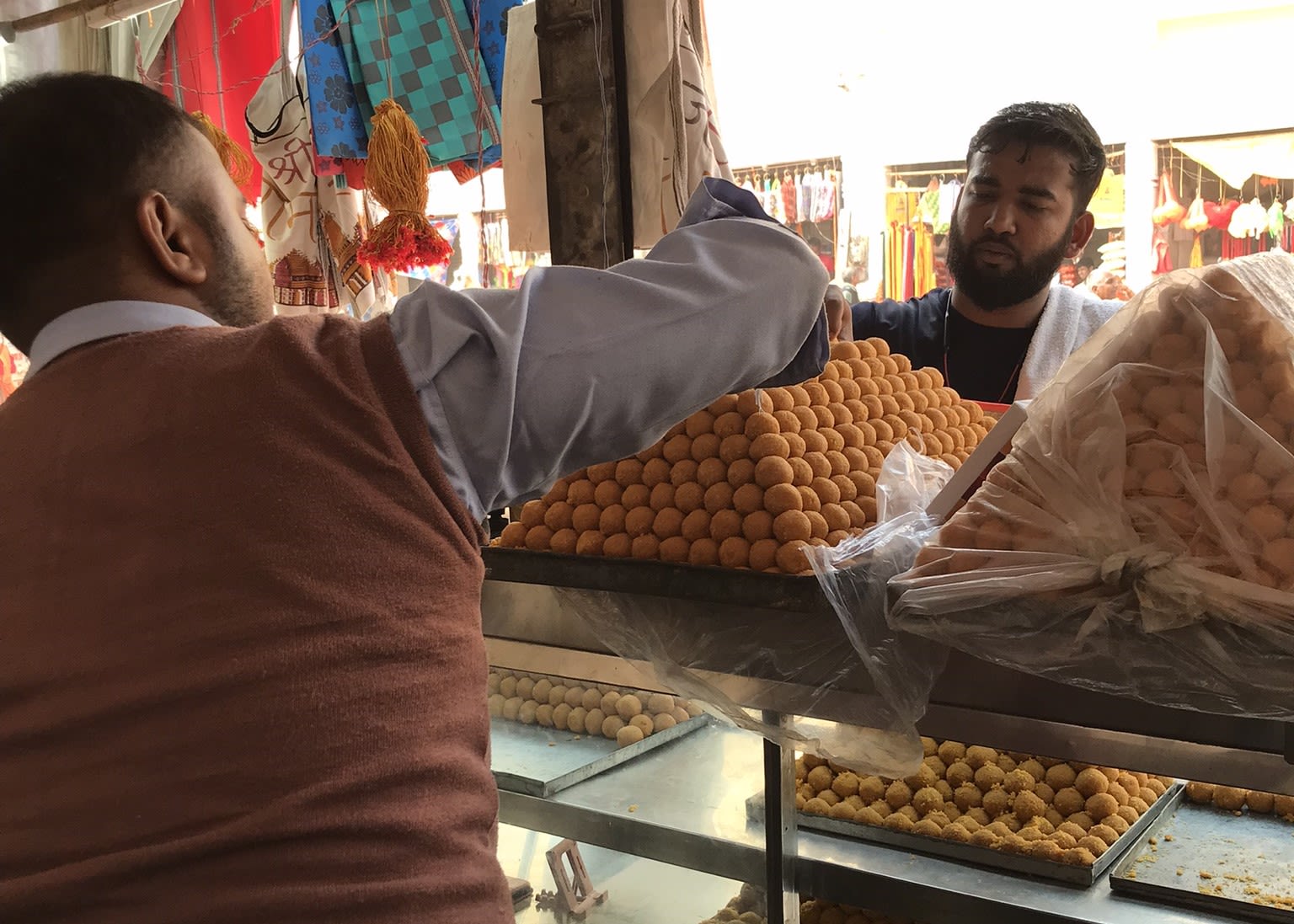
Sukhveer Singh, the proprietor of a garment shop, also lost approximately 30 per cent of his business due to the land acquisition. When the businesses were shuttered due to the enormous reconstruction campaign, he claims, the government handed them a "survival amount" of roughly Rs 1-3 lakhs, depending on the business and its size. He also claimed that very few businesses had moved to the newly allocated place since the deposit was "too high".
Local business owners stated the issue of fair compensation for those displaced by the development drive is a major concern. Shopkeepers like Ravindra Narain Srivastava, who had to give up a portion of his eatery, have expressed dissatisfaction with the compensation offered, especially in light of the soaring land prices around the temple area.
Real estate prices in the temple town have hit Rs 10,000 to Rs 18,000 per square foot, with large brands like The House of Abhinandan Lodha entering the market and celebrities like Amitabh Bachchan investing in the region.
Manisha, a local, told DH that in 2019, when the makeshift Ram temple sat on the rubble of the Babri mosque, she was stopped by a female guard for carrying a sanitary napkin in her bag. The plastic content in the sanitary napkin was deemed impure. A female guard had also asked her if she was menstruating.
Manisha said she is hoping for more inclusivity from the new temple. Currently, leather items are banned inside the temple and pilgrims must deposit such items in the lockers outside.
Local sentiment
Despite the high demand for luxury hotels and the crowds at the Maharishi Valmiki International Airport (round-trip from Bengaluru to Ayodhya costs Rs 33,000 and up around the consecration ceremony), the poverty in and around the town is palpable.
The old and new railway stations in Ayodhya are even more crowded now, with pilgrims sleeping on platforms. Apart from two-wheelers and some private cars, shared ‘Vikram’ tempos and government buses remain the main modes of transport in Ayodhya.

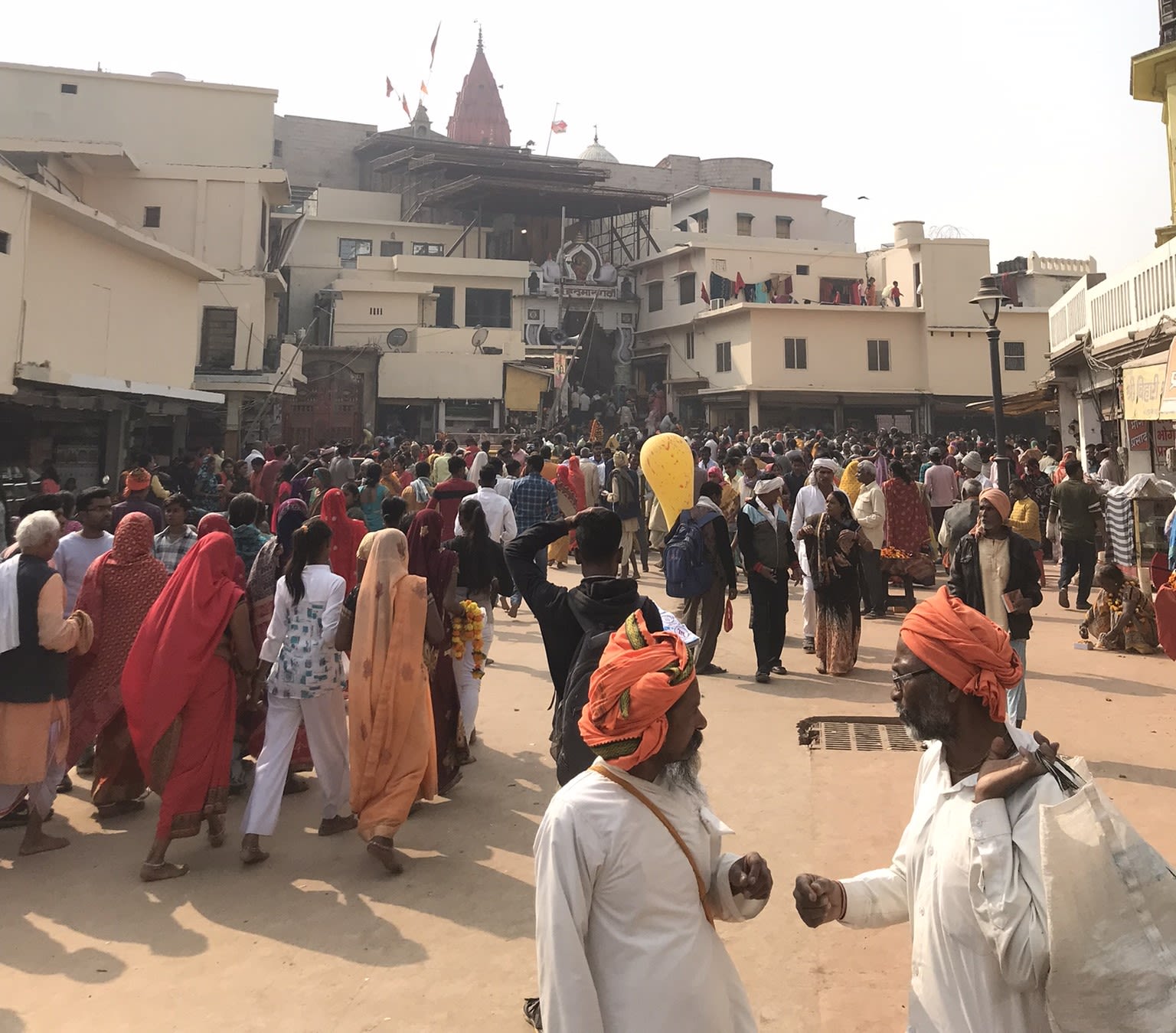
A lawyer, planning to fly home for Holi, shared that she would land at the Ayodhya airport instead of touching down at Lucknow like she used to.
“I can afford flights but these are expensive for the less affluent,” she noted.
As Ayodhya transforms, there is a mixed feeling among residents.
Muslims there refused to comment on the temple opening. However, the general sentiment remained that the temple should have been built. While some embrace the changes, others express resignation or concern over the rapid urbanization and its impact on the town's character and community.
In many ways, the transformation of Ayodhya is a microcosm of India's broader socio-cultural and economic shifts.
The phrase "Kuch banaane ke liye kuch ujaadna padta hi hai" (to create something new, something old must be sacrificed) echoes among the locals, as the 500-year wait for many Hindus draws to a close.
But, Patwardhan feels this is not where the story will end.
“There is never any closure with a fascist-minded majoritarian organisation. Every concession you make leads to a larger demand,” he told DH, drawing attention to the ongoing Gyanvapi and Sri Krishna Janmabhoomi-Shahi Idgah disputes.
“There is a long list of trouble spots that can be raked up to create the polarisation that BJP needs,” the filmmaker warned, as the nation heads to Lok Sabha polls this year with Modi eyeing a third term in office.